
The Ultimate Guide to Rubber Flooring: Benefits, Uses and Essential Information
- Sep 26, 2025
- 4 min read
Updated: Oct 13, 2025
Rubber flooring has surged in popularity across various settings, such as gyms, nurseries, and commercial spaces. Its unique qualities make it a highly sought-after material for those prioritising durability, safety, and comfort. This guide offers a deep dive into rubber flooring, covering its benefits, typical applications, and must-know information to support your flooring decision.
Understanding Rubber Flooring
Rubber flooring is crafted from natural or synthetic rubber, available in forms such as tiles, rolls, and mats. Known for its strength and slip-resistant surface, this flooring option is perfect for high-traffic areas and places where safety is crucial. For instance, gyms often choose rubber flooring to handle heavy equipment without damage.
Beyond its practical features, rubber flooring comes in a broad range of colours and textures. Whether you aim for a sleek, modern look or something more vibrant and playful, there’s likely rubber flooring that fits your vision. According to industry trends, around 30% of gym owners report increased satisfaction from their choice of rubber flooring, highlighting its appeal.
Key Benefits of Rubber Flooring
1. Durability
Durability is one of the standout benefits of rubber flooring. Its robust design allows it to endure constant wear and tear. Whether it’s the steady stream of gym-goers or the bustling environment of a busy school, rubber flooring can withstand heavy foot traffic without showing signs of damage. In fact, it can last over 20 years with proper care.
2. Safety
Rubber flooring excels in safety. With its naturally slip-resistant texture, the risk of falls is significantly reduced. An example can be seen in a study where slip incidents in gyms were found to decrease by 40% after installing rubber flooring. Shock absorption further protects users from injury, making it an ideal choice for child care areas and playgrounds as well.
3. Comfort
The cushioning effect of rubber flooring provides a comfortable experience, whether for walking, standing, or exercising. Users in gyms can spend hours on their feet without discomfort. For example, fitness centres noted a 50% increase in participant retention rates after introducing rubber flooring in their workout areas due to the enhanced comfort.
4. Easy Maintenance
Cleaning rubber flooring is straightforward. Regular sweeping and occasional mopping with a mild detergent keep it looking fresh. Its resistance to stains and moisture adds to its practicality. Studies show that facilities with rubber flooring can save as much as 30% in maintenance costs compared to other types of flooring.
5. Eco-Friendly Options
A significant number of rubber flooring products come from recycled materials, making them a great option for environmentally-conscious consumers. By choosing rubber flooring, you not only enhance your space but also participate in sustainability efforts.

Common Uses of Rubber Flooring
1. Gyms and Fitness Centres
Rubber flooring's durability and shock-absorbing features make it a must-have in workout spaces. Whether it's for weightlifting, aerobics, or yoga, rubber flooring provides a safe and cushioned surface.
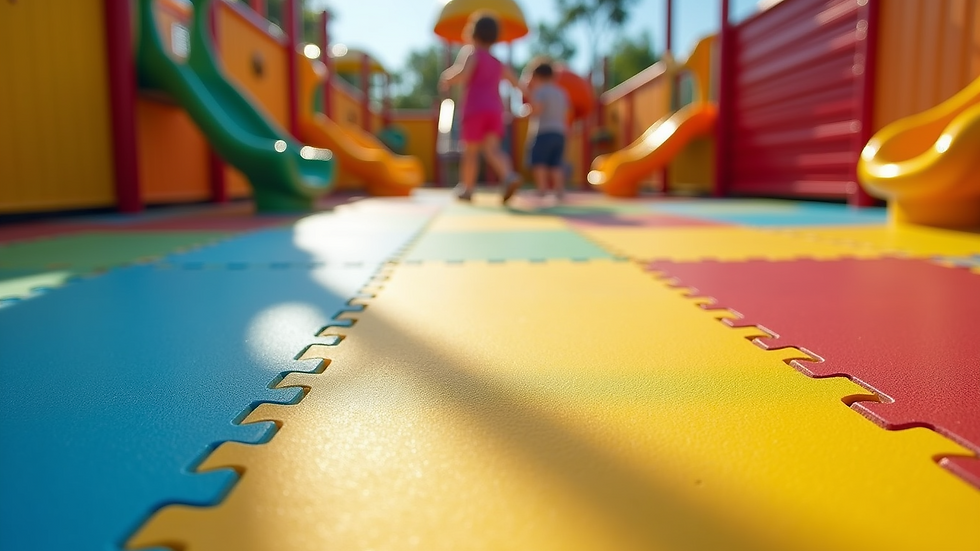
2. Play Areas and Schools
For children's indoor and outdoor play zones, rubber flooring is a top choice. It not only cushions falls but also provides a non-slip area for active play. Statistics reveal that playgrounds with rubber surfaces see a 60% reduction in injury rates.
3. Commercial and Industrial Spaces
Retail stores, restaurants, and factories frequently use rubber flooring for its durability and low upkeep. It withstands heavy foot traffic and comes in various designs to complement a business's aesthetic. A survey found that 75% of retail spaces reported increased customer satisfaction after upgrading to rubber floors.
4. Healthcare Facilities
In hospitals and clinics, rubber flooring is valued for its cleanliness and hygienic properties. It resists bacteria, making maintenance easy and helping to keep healthcare environments safe.
5. Home Use
Rubber flooring is growing popular in residential settings, particularly in basements, laundry rooms, and home gyms. It combines functionality with comfort, often becoming a favourite choice for homeowners looking to upgrade their spaces.

Installing Rubber Flooring
Installing rubber flooring can be a simple task, but following the manufacturer's guidelines is essential for achieving the best results. Here are important steps to keep in mind:
Preparation: Start by cleaning and levelling the subfloor. Any imperfections can affect the final outcome.
Acclimation: Allow the rubber flooring to sit in the installation area for at least 24 hours. This helps it adapt to room temperature.
Cutting and Fitting: Measure and cut the flooring to fit the space accurately. A utility knife is ideal for clean cuts.
Adhesive Application: If using adhesive, apply it evenly per the manufacturer's instructions.
Laying the Flooring: Place the flooring carefully, ensuring it aligns correctly. Press down to eliminate air bubbles.
Finishing Touches: After installation, allow the flooring to set according to the adhesive's guidelines before use.
To ensure the installation of rubber flooring is correct, it is always best to get professional installation, due to the expertise and precision that trained installers bring to the process. Professional installers are familiar with the specific requirements of rubber flooring.
Final Thoughts
Rubber flooring serves as a functional and stylish solution for a range of settings. With benefits like durability, safety, and comfort, it stands out in various environments, from gyms to healthcare facilities.
Its low-maintenance features and eco-friendly options make rubber flooring a wise investment for anyone aiming for a long-lasting floor. By understanding the advantages and applications of rubber flooring, you can confidently choose the best fit for your unique space.


Comments